Nothing But Victory

First in War: World War I
During World War I, the First Division fought across France in five noteworthy battles and played an …
Learn More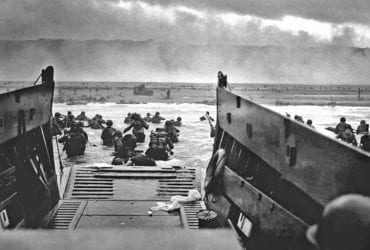
Over Land, Over Sea, Overlord
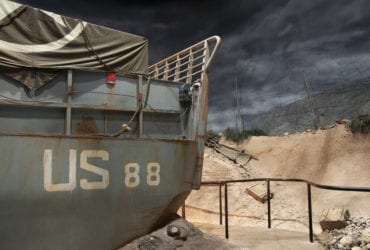
First in War: World War II
Follow the 1ID through World War II from North Africa to the Liberation of Europe.
Learn More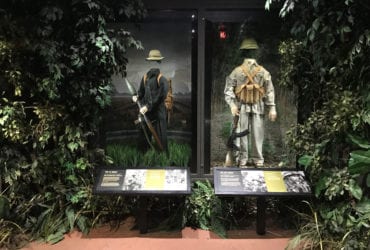
First in War: Vietnam
Learn about the complexities associated with the two types of enemy Big Red One soldiers would face.
Learn More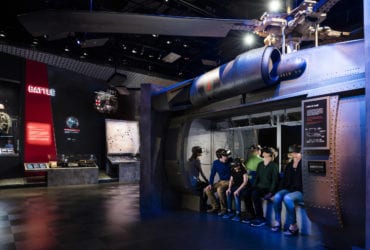
Duty First: Battle
First Division soldiers train constantly for all aspects of battle—from combat to deployment, logist …
Learn More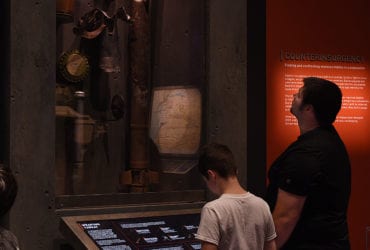
Duty First: Counterinsurgency
Soldiers must find and defeat unknown enemies while also winning the trust of local people.
Learn More
Memorials and Sculptures
Four outdoor sites honor the service and sacrifice of American soldiers and civilians.
Learn More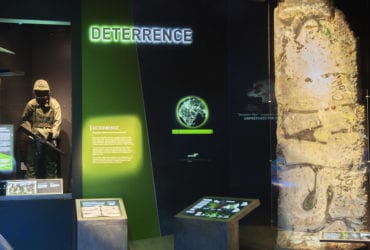
Duty First: Deterrence
As part of the Cold War mission to prevent Soviet aggression, division soldiers trained constantly b …
Learn More
Duty First: Military Assistance
American service members lived with their Iraqi and Afghani counterparts while training, advising an …
Learn More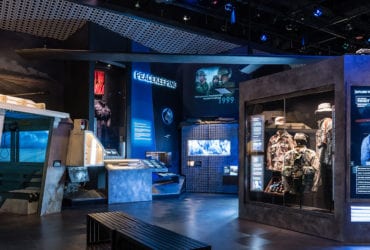
Duty First: Peacekeeping
The 1ID’s role in the Balkan Wars was to enforce peacekeeping agreements between hostile group …
Learn More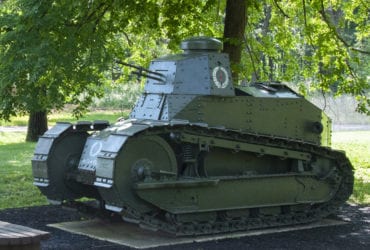
M1917 Light Tank
The M1917 Light Tank was the first official tank for the US Army.
Learn More